
Looking for breathtaking photography destinations? Ethiopia is a treasure trove of stunning landscapes, vibrant cultures, and ancient wonders—making it a dream for photographers. Whether you’re capturing sweeping highlands, mystical rock churches, or bustling markets, this guide spotlights Ethiopia’s most iconic photography locations.
Why Photograph Ethiopia?
Ethiopia offers an enchanting mix of natural beauty, historic landmarks, and authentic daily life. From sunrise over rocky peaks to rituals in ancient churches, each region delivers unique scenes and vibrant storytelling opportunities. With dramatic contrasts, vivid colors, and friendly faces, your camera will never rest.
1. Lalibela’s Rock-Hewn Churches
Why Visit:
Capture the awe-inspiring, 12th-century rock-hewn churches carved entirely from solid volcanic stone. Their mystical ambience and the play of light at dawn or dusk provide magical photo opportunities. Don’t miss Bet Giyorgis (St. George’s Church) with its cross-shaped roof and pilgrims clad in white.
2. Simien Mountains National Park
Why Visit:
Known for its dramatic cliffs, deep valleys, and rare wildlife, the UNESCO-listed Simien Mountains offer jaw-dropping vistas for nature and adventure photographers. Look for sunrise or sunset panoramas and close-ups of the endemic gelada baboon.
3. Danakil Depression
Why Visit:
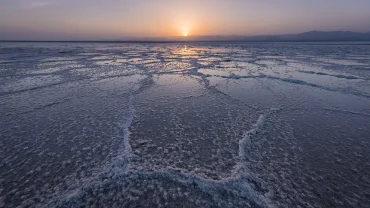
Earth’s hottest and one of its most otherworldly landscapes, Danakil’s neon sulfur springs, acid lakes, salt flats, and volcanic lava lakes are utterly unique. Vivid colors and extreme textures make every photo pop.
4. Omo Valley
Why Visit:
The Omo Valley is home to diverse tribal communities, including the Mursi and Hamar, known for striking body art and traditional dress. Portraits here tell deep human stories—always approach with respect and sensitivity.
5. Blue Nile Falls
Why Visit:
Locally called Tis Issat (“Smoking Water”), the Blue Nile Falls offers powerful drama—especially during and after the rainy season—framed by lush, emerald green landscapes.
6. Lake Tana and Its Monasteries
Why Visit:
Capture the tranquility of Ethiopia’s largest lake and the centuries-old, mural-filled monasteries on its islands. Early mornings are perfect for photographing fishermen in papyrus boats.
7. Harar Jugol
Why Visit:
The UNESCO-walled city of Harar bursts with colorful alleyways, vibrant markets, and unique traditions such as nightly hyena feedings. It’s a paradise for street and cultural photographers.
Tips for Ethiopia Photography Tours
- Best time to visit: October to April for clear skies and best light.
- Cultural respect: Always ask before photographing people.
- Gear: Bring wide-angle and telephoto lenses; consider dust/rain protection.
- Local insight: Hiring local guides can provide unique photo access and backgrounds.


Comment (0)